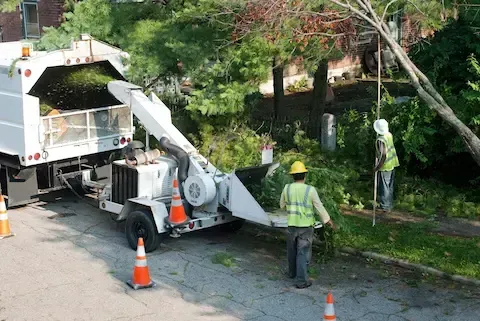
When Is Tree Removal an Emergency in Moline IL Yards
A tree removal emergency in Moline IL yards occurs when a tree poses an immediate threat to people, structures, or utilities. Signs that demand same-day professional attention include a trunk that has shifted or leaning after a storm, a split crotch exposing interior wood, roots visibly lifting from the ground, large limbs hanging from an overhead failure point, or a tree that has already partially fallen onto a fence, roof, or power line. If you observe any of these conditions, keep people away from the zone and call a professional crew without delay.
What Makes a Leaning Tree a True Emergency?
Not every lean is an emergency, but the context matters enormously. A tree that has always grown at a slight angle may be structurally sound with a well-established root system compensating for the tilt. The emergency threshold is crossed when a lean appears suddenly, especially after a severe storm that swept through the Quad Cities corridor. Moline experiences strong wind events, particularly in spring and early summer, that can shear lateral roots or saturate soil to the point where a large tree tips several degrees overnight. If the ground around the base has cracked, heaved, or shows exposed roots on the opposite side of the lean, the tree is actively failing and can complete its fall without additional wind or rain. Do not attempt to brace, rope, or prop a tree in this condition yourself.
Is a Split Crotch Always an Urgent Problem?
A split crotch, meaning the point where a trunk divides into two or more major stems, is one of the most structurally dangerous defects a tree can develop. When the wood in that union begins to crack vertically, the halves can peel apart suddenly under their own weight. This risk increases significantly when ice accumulates on branches during Moline's winter storms or when heavy spring foliage adds load to already compromised wood. If you see a crack running down from the crotch, bark being forced outward, or discolored streaks indicating moisture intrusion, the condition is urgent. A hanging stem from a split crotch is one of the leading causes of injury and property damage from trees in residential yards throughout Rock Island County.
What Does Root Upheaval Signal About a Tree's Stability?
Roots lifting out of the ground on one side of a tree is a direct mechanical sign that the tree is beginning to overturn. This condition develops when root rot weakens the anchor system, when soil becomes oversaturated after heavy rainfall, or when nearby construction or utility work has severed major roots. Moline's clay-heavy soils in older neighborhoods hold water longer than sandy or loam soils, which means saturation events during wet springs create elevated risk. Once you see the root plate moving, the timeline for a complete fall is unpredictable. Trees in this condition have collapsed within hours of the first visible sign. Keep children, vehicles, and structures out of the fall zone and contact Emergency Tree Removal professionals immediately.
When Does a Hanging Limb Require Emergency Response?
Arborists use the term "widow maker" for a reason. A large limb that has broken at its attachment point but remains suspended in the canopy is one of the most unpredictable hazards in tree care. The limb may stay in place for hours or days before gravity, a breeze, or the movement of surrounding branches brings it down without warning. Emergency response is warranted when a hanging limb is positioned above a sidewalk, driveway, play area, roof, or any space where people or vehicles pass regularly. In Moline neighborhoods with mature tree canopy, particularly in areas near the riverfront or in established residential blocks west of 7th Street, large oak and elm limbs carry substantial weight and fall with tremendous force.
Has a Storm Already Brought the Tree Down Partway?
A partially fallen tree, meaning the trunk has snapped or uprooted but the tree is resting against a structure, fence, or another tree, is never a wait-and-see situation. The weight distribution of a partially downed tree changes as the supporting object shifts or as the wood dries. A tree resting against a roof can cause progressive structural damage with every hour it remains in place. If the tree is in contact with or near a power line, treat the entire area as energized and stay well back. Call your utility provider and an emergency tree crew simultaneously. Attempting to remove a tree in contact with power lines without proper equipment and training is one of the most common causes of serious injury during storm cleanup across the Quad Cities region.
What About Visible Decay at the Base?
Soft wood, fungal growth such as shelf mushrooms or conks at or near the base, bark that falls away when touched, or hollow cavities at the root flare are signs of advanced internal decay. Several of these overlap with the earlier warning signs covered in how to detect and treat tree disease in Moline, which is worth reading if the decline came on gradually rather than after a storm. A tree can look largely healthy from street level while the structural core at the base has deteriorated significantly. This is especially relevant in Moline where older established trees on residential lots may have experienced decades of stress from compaction, lawn chemicals, or past storm damage. If decay is visible at the base and the tree is located near your home or within reach of foot traffic, a professional assessment is not optional. In many cases the removal timeline will be urgent. For additional background on how professionals approach these situations, the Emergency Tree Removal resource covers the response process in detail.
Who Should You Call and How Fast?
A certified arborist or licensed tree removal crew with emergency response capacity is the correct contact for any of the conditions described above. When you call, describe what you are seeing specifically: which direction the tree is leaning, what structures are in the fall zone, whether any limbs are already down, and whether power lines are involved. This information allows the crew to arrive with the right equipment and prepare for safe operations. Same-day response is standard for genuine emergencies in the Moline area. Do not wait to schedule a routine appointment if the tree presents an active risk.
