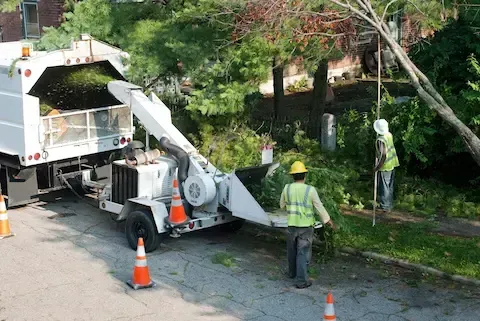
Emergency Tree Removal When Disaster Hits Moline IL
When severe weather strikes Moline, Illinois, fallen trees become immediate hazards that demand swift, professional intervention. Emergency tree removal services operate around the clock to address dangerous situations where trees have crashed onto homes, vehicles, power lines, or block critical access routes. These urgent scenarios require specialized equipment, trained crews, and rapid response capabilities that only experienced local tree service professionals can provide safely and effectively.
Understanding Emergency Tree Situations
Emergency tree removal encompasses situations where fallen or damaged trees pose immediate threats to life, property, or public safety. In Moline, these emergencies typically arise from severe thunderstorms, ice storms, high winds, or tornado activity that frequently impacts the Quad Cities region. Unlike routine tree maintenance, emergency situations cannot wait for convenient scheduling or favorable weather conditions.
Storm-damaged trees often hang precariously in unstable positions, with broken limbs suspended above homes, vehicles, or pedestrian areas. These "widow makers" present extreme danger because their failure point remains unpredictable. Professional emergency crews assess each situation for structural integrity, identifying which portions can be safely removed first and which require specialized rigging techniques.
Trees that have fallen across roadways create public safety hazards and emergency access issues. Fire departments, ambulances, and police vehicles need clear routes during crisis situations. Similarly, trees that have damaged utility lines require coordination with local power companies to ensure safe electrical disconnection before removal work begins.
Property damage scenarios demand immediate attention to prevent additional destruction. A tree resting on a roof continues to cause structural damage with each wind gust or additional precipitation. Water infiltration through compromised roofing systems leads to interior damage, mold growth, and electrical hazards that compound the original problem.
Immediate Response Protocols
Professional emergency tree removal begins with rapid safety assessment and scene stabilization. Qualified arborists evaluate the structural integrity of damaged trees, identifying immediate hazards and developing removal strategies that minimize further risk. This initial assessment determines whether the situation requires Emergency Tree Removal crews with specialized heavy equipment or can be addressed through standard removal techniques.
Safety protocols establish work zones that protect both crew members and property owners during removal operations. Emergency crews use barriers, warning signs, and spotters to maintain safe distances from unstable tree sections. When trees have contacted electrical lines, utility company coordination becomes mandatory before any removal work can commence.
Documentation plays a crucial role in emergency response, particularly when insurance claims will follow. Professional crews photograph damage from multiple angles, recording the tree's position, property impact, and removal process. This documentation supports insurance adjusters in processing claims and helps property owners understand the full scope of damage.
Equipment mobilization for emergency situations requires specialized tools beyond standard tree removal gear. Cranes become necessary for lifting heavy sections away from structures without causing additional damage. Winching systems provide controlled lowering of dangerous limbs that cannot be safely cut and dropped. Generator-powered equipment ensures operations can continue despite local power outages.
Weather-Related Tree Emergencies
Moline's location in the Mississippi River valley creates unique weather patterns that contribute to tree-related emergencies. The area experiences severe thunderstorms with straight-line winds exceeding 70 mph, creating conditions where even healthy trees become projectiles. Ice storms coat tree branches with substantial weight, causing structural failure in species not adapted to ice loading.
Tornado activity in the Quad Cities region produces catastrophic tree damage across wide areas. The derecho that struck Illinois in August 2020 demonstrated how widespread wind events can overwhelm local emergency response capabilities. Professional tree services maintain mutual aid agreements with regional contractors to provide adequate response capacity during large-scale weather events.
Flooding along the Mississippi River saturates soil conditions, reducing root anchoring strength for mature trees. High water levels combined with wind create conditions where trees topple despite appearing structurally sound. These flood-related emergencies often occur in clusters, requiring coordinated response efforts across multiple properties.
Seasonal factors influence emergency patterns throughout the year. Spring storms coincide with leaf emergence, increasing wind resistance on tree crowns. Summer thunderstorms produce the highest wind speeds and most frequent emergency calls. Winter ice storms create delayed emergencies as warming temperatures cause ice-loaded branches to fail unexpectedly.
Safety Considerations and Hazard Assessment
Emergency tree removal involves significant safety hazards that require professional expertise to manage effectively. Electrical hazards top the list of concerns, as trees frequently contact power lines during storm events. Even experienced homeowners cannot safely assess whether electrical lines remain energized, making professional evaluation essential before any removal attempts.
Structural assessment requires understanding wood fiber stress patterns and failure modes that are not immediately visible. Compression damage in tree trunks creates unpredictable failure points that can release stored energy violently during cutting operations. Professional arborists identify these stress patterns through visual inspection and testing techniques that guide safe removal sequences.
Equipment hazards multiply during emergency operations conducted under time pressure and adverse conditions. Chain saws operating in awkward positions around damaged structures increase operator injury risk. Crane operations near power lines require specialized training and coordination protocols to prevent contact accidents.
Property protection strategies minimize additional damage during removal operations. Professional crews use protective barriers, padding, and controlled lowering techniques to prevent removal equipment from damaging structures, vehicles, or landscaping. Tree Health and Disease Care expertise helps identify which remaining trees may have sustained damage that creates future emergency risks.
Environmental and Site Hazards
Unstable soil conditions following heavy rainfall create additional safety challenges during emergency tree removal. Equipment operators must assess ground conditions to prevent machinery from becoming stuck or causing additional property damage. Soft ground conditions may require specialized equipment or access techniques to reach emergency sites safely.
Underground utilities present hidden hazards during emergency operations. Storm events that topple trees often damage underground utility lines, creating excavation hazards for removal equipment. Professional crews contact utility marking services and use ground-penetrating radar when extensive excavation becomes necessary for root system removal.
Professional Equipment and Techniques
Emergency tree removal demands specialized equipment beyond standard tree care tools. Boom trucks provide elevated platforms for accessing broken limbs in precarious positions while maintaining safe distances from hazards. These vehicles offer stability and positioning capability that ladders cannot match when working around damaged structures.
Crane services become essential for removing large tree sections from rooftops or confined spaces where conventional dropping techniques would cause additional damage. Mobile cranes with varying lifting capacities allow removal crews to select appropriate equipment for each specific situation. Crane operators require specialized training in tree removal applications to work safely around structures and utilities.
Rigging systems provide controlled lowering capabilities for tree sections that cannot be safely dropped. Pulleys, cables, and anchor points distribute loads across multiple support systems, allowing precise control of heavy wood sections. Advanced rigging techniques enable removal of trees from locations where equipment access is limited or impossible.
Cutting techniques for emergency situations differ significantly from routine tree removal methods. Tension and compression analysis becomes critical when cutting sections under stress from structural loading or precarious positioning. Professional arborists understand relief cuts, back cuts, and sectioning techniques that prevent dangerous wood movement during cutting operations.
Cleanup and Debris Management
Emergency situations generate substantial wood debris that requires immediate management to restore property accessibility and safety. Wood chippers process smaller branches and foliage into manageable chips that can be spread as mulch or removed from the site. Larger trunk sections may require sectioning for firewood or complete removal depending on property owner preferences.
Stump grinding equipment removes remaining root systems that could create ongoing hazards or accessibility issues. Emergency situations often require immediate stump removal to restore driveway access or prevent trip hazards in high-traffic areas. Professional stump grinding equipment can remove stumps below grade level, allowing immediate restoration of lawn areas.
Local Considerations for Moline Properties
Moline's mature urban forest includes many large trees that were planted decades ago when property development patterns differed from current standards. These established trees often lack adequate clearance from structures, power lines, and property boundaries, increasing emergency risk during severe weather events. Professional tree services familiar with local growing conditions and common species provide valuable expertise in emergency situations.
The Rock Island Arsenal's proximity creates unique considerations for emergency tree removal in eastern Moline neighborhoods. Security protocols may affect access routes and equipment movement during large-scale emergency responses. Local tree services maintain familiarity with these considerations and coordinate appropriately with military security personnel when necessary.
Municipal utility infrastructure in Moline includes both overhead and underground systems that complicate emergency tree removal operations. Older neighborhoods feature overhead electrical distribution that increases tree contact risk, while newer developments use underground utilities that create excavation considerations for root system removal.
Flood plain regulations in areas near the Mississippi River may affect emergency tree removal and replacement decisions. Properties in designated flood zones must comply with specific vegetation management requirements that influence both emergency response and long-term landscape planning. Professional services understand these regulatory requirements and provide guidance during emergency situations.
Insurance and Documentation Requirements
Emergency tree removal often involves insurance claims that require specific documentation and procedures to ensure coverage. Professional tree services provide detailed reports including photographs, damage assessments, and removal cost estimates that support insurance claim processing. Understanding insurance requirements helps property owners navigate the claims process effectively while addressing immediate safety concerns.
Liability considerations during emergency tree removal require adequate insurance coverage and professional qualifications. Property owners who attempt emergency removal themselves may void insurance coverage or create additional liability exposure. Professional tree services carry specialized insurance that covers emergency operations and property damage that may occur during removal work.
Municipal permits may be required for emergency tree removal, particularly for trees in public rights-of-way or those subject to local preservation ordinances. Professional services understand local permit requirements and can expedite necessary approvals during emergency situations. Some emergency situations qualify for expedited permit processing that bypasses normal waiting periods.
Prevention and Future Risk Management
Emergency tree removal situations often reveal underlying tree health or structural issues that contributed to failure during storm events. Professional assessment following emergency removal identifies remaining trees with similar risk factors, allowing proactive management to prevent future emergencies. Regular tree health evaluations and maintenance reduce emergency removal frequency and associated costs.
Species selection for replacement trees should consider local weather patterns and site-specific conditions that contributed to the original emergency. Native species adapted to Illinois climate conditions typically demonstrate better storm resistance than non-native alternatives. Professional consultation guides species selection based on mature size, growth patterns, and site suitability.
Property maintenance practices influence tree stability and emergency risk levels. Proper mulching, watering, and soil management promote healthy root development that improves storm resistance. Regular pruning removes dead wood and reduces wind resistance while maintaining tree structure and health.
After a big wind event, here's what recovering from major derecho tree damagelooks like.
