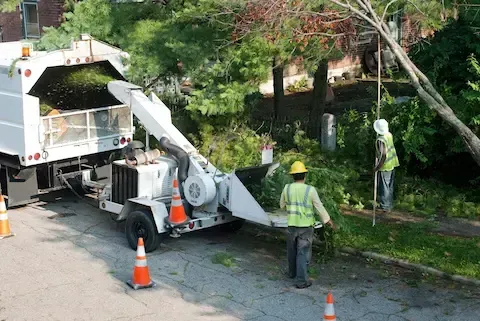
Storm Felled Tree Emergency Response Across Moline IL
When severe storms sweep through Moline IL, downed trees become immediate hazards that require swift professional response. Storm-damaged trees can block roadways, damage property, and create dangerous situations that demand expert assessment and removal. Understanding the proper steps to take when a tree falls on your property helps ensure safety while minimizing additional damage to your home or landscape.
Immediate Safety Assessment After Tree Falls
Your first priority after a tree falls should always be safety evaluation. Check for downed power lines near or touching the fallen tree, as these create extreme electrocution risks. Never approach a downed tree if power lines are involved - instead, contact Commonwealth Edison immediately and keep family members and pets away from the area.
Assess whether the tree has damaged your home's structure, particularly the roof, windows, or siding. If the tree has penetrated the roof or caused significant structural damage, evacuate the affected area until professional inspection confirms safety. Document all damage with photographs from multiple angles for insurance purposes, but only after ensuring your immediate safety.
Look for signs of additional tree instability in your yard. Storm conditions often weaken multiple trees simultaneously, and other trees may have sustained root damage or trunk splits that aren't immediately visible. Professional Emergency Tree Removal services can assess these potential hazards during their initial response.
Emergency Response Protocol for Homeowners
Contact emergency services immediately if the fallen tree has caused injuries, blocked emergency vehicle access, or created immediate public safety hazards. For trees blocking city streets or sidewalks in Moline, notify the city's public works department, which coordinates with local tree service contractors for rapid removal.
Reach out to your homeowner's insurance company as soon as possible after the incident. Most policies cover storm damage, including tree removal when the tree has damaged covered structures. Your insurance adjuster will need to assess the damage before removal begins, so coordinate timing with both your insurance company and tree removal professionals.
If the tree hasn't damaged structures but poses ongoing safety risks, schedule emergency tree removal services promptly. Trees that have fallen partially or are leaning precariously can shift unexpectedly, especially during continued wind or if soil conditions remain saturated from storm rainfall.
Professional Storm Damage Assessment Process
Certified arborists conduct comprehensive evaluations of storm-damaged trees to determine the safest removal approach. This assessment includes evaluating the tree's position, weight distribution, and any structures or utilities it may be entangled with. Professional crews also identify the most efficient access routes for heavy equipment while minimizing additional landscape damage.
Emergency tree removal often requires specialized equipment including cranes, bucket trucks, and industrial chippers. The removal sequence is carefully planned to prevent the tree from shifting during cutting, which could cause additional property damage. Professional crews also coordinate with utility companies when necessary to temporarily disconnect power lines during removal.
Experienced tree removal companies understand local permit requirements and can expedite necessary approvals for emergency situations. In Moline, certain tree removals may require city permits, but emergency situations often qualify for expedited processing to address immediate safety concerns.
Common Storm Tree Removal Complications
Trees that fall across property lines create jurisdictional complications that require careful coordination between neighbors and their respective insurance companies. Generally, each property owner remains responsible for damage to their own property, regardless of which yard the tree originated from, though specific circumstances can affect liability.
Underground utility lines present hidden dangers during tree removal, particularly when large root systems have been disturbed. Professional crews always contact JULIE (Joint Utility Locating Information for Excavators) before beginning removal work to identify buried gas, electric, and communication lines that may have been damaged or displaced by the fallen tree.
Access limitations frequently complicate emergency tree removal in established Moline neighborhoods with mature landscaping and close home spacing. Crews must often use smaller equipment or hand removal techniques in confined spaces, which extends removal time but prevents collateral damage to surrounding property.
Local Emergency Response Resources
The City of Moline maintains agreements with certified tree service contractors for emergency response on public property and rights-of-way. During major storm events, these contractors prioritize clearing main arterial roads and emergency vehicle routes before addressing residential streets and individual property concerns.
Moline's emergency management coordination includes partnerships with neighboring Quad Cities municipalities to share resources during widespread storm damage. This regional cooperation ensures adequate professional crews and equipment availability even during major weather events that affect multiple communities simultaneously.
Local hardware stores and equipment rental facilities typically stock emergency supplies including tarps, chainsaws, and generators following storm events. However, for significant tree removal projects, professional equipment and expertise remain essential for safe and complete cleanup.
Insurance and Financial Considerations
Most homeowner's insurance policies distinguish between tree removal costs when trees damage covered structures versus trees that fall without causing property damage. Coverage typically includes removal costs when trees damage homes, garages, or other covered buildings, but may not cover removal of trees that fall harmlessly in yards.
Document all storm damage thoroughly before cleanup begins, including close-up photographs of tree damage points, property damage, and the overall scene. Keep detailed records of all emergency service calls, contractor communications, and cleanup expenses for insurance claim purposes.
Emergency tree removal costs vary significantly based on tree size, complexity of removal, and accessibility factors. Multiple quotes help ensure fair pricing, though emergency situations may limit comparison shopping opportunities. Some contractors offer payment plans or work directly with insurance companies to streamline the claims process.
Prevention and Future Planning
Regular tree maintenance including professional pruning and health assessments can significantly reduce storm damage risks. Dead branches, diseased trees, and structurally compromised specimens should be addressed before severe weather events to minimize emergency response needs.
Consider consulting with Emergency Tree Removal professionals about your property's trees if you notice signs of decline or structural weakness. Proactive tree care proves more cost-effective than emergency response while protecting your property and ensuring family safety during severe weather events.
Develop a family emergency plan that includes procedures for tree-related hazards, emergency contact numbers for tree service professionals, and insurance company information readily accessible during crisis situations. Advance preparation significantly improves response time and outcomes when storm emergencies occur.
