Spring Storm Tree Prep for Moline Illinois Properties
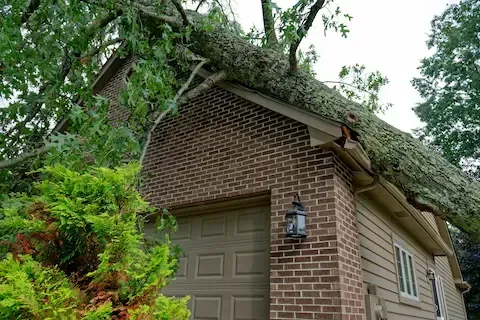
Spring storm tree prep in Moline, IL means inspecting your trees, removing weak limbs, and addressing structural problems before severe weather arrives. The Quad Cities region regularly sees strong spring thunderstorms, straight-line winds, and occasional tornadoes between March and June. Acting before storm season reduces the risk of fallen branches, downed trees, and property damage. The steps below walk you through a practical pre-season checklist any Moline homeowner can follow to protect their yard and home.
Step 1: Walk Your Property and Look for Warning Signs
Start with a ground-level inspection of every tree on your Moline property. Look for cracks in the trunk, leaning that was not there last fall, mushrooms or fungal growth at the base, and large dead branches in the canopy. Check after a rainfall when bark is darker and decay is easier to spot. Pay extra attention to trees near your roofline, power lines, fence, or driveway. These are the trees that cause the most damage when a Quad Cities thunderstorm rolls through.
Step 2: Remove Dead, Dying, or Hanging Branches
Dead branches are the first things to fall in high winds. Prune out any branches that are brown, brittle, or showing no leaf growth. Also remove hanging branches already partially broken from winter ice or wind. In Moline, spring often brings rapid freeze-thaw cycles in March that can crack limbs that look intact from the ground. If a branch is larger than two inches in diameter or located above ten feet, hire a certified arborist rather than attempting removal yourself. For storm damage cleanup after a wind event, professional equipment and training are essential for safe removal.
Step 3: Assess Tree Structure and Canopy Balance
An unbalanced canopy creates uneven wind load, which puts stress on the trunk and root system. Look for trees with one heavily dominant side or with multiple large leaders competing at the top. Co-dominant stems — two main trunks growing upward at a narrow angle — are a common structural weakness in mature oaks and maples throughout Rock Island County. A certified arborist can selectively prune to reduce sail effect and redistribute weight before storm season puts pressure on those weak attachment points.
Step 4: Check Root Zone Stability
A tree can look healthy from twenty feet away and still be compromised at the roots. Walk around the base and look for soil heaving on one side, which signals the root plate is already starting to lift. Soft ground after spring rains in the Illinois River bottomlands near Moline makes uprooting easier during wind events. If you notice cracks in the soil radiating outward from the trunk or the tree has shifted since last year, that tree needs a professional assessment before the first severe weather watch of the season.
Step 5: Cable or Brace Structurally Weak Trees Worth Keeping
Not every tree with a structural flaw needs to come down. If a tree has significant shade value, historical importance to your landscape, or would be expensive to remove and replace, cabling and bracing can extend its safe life. Hardware is installed high in the canopy to limit how far co-dominant stems can split apart under load. This is not a DIY task. An arborist will determine anchor points, hardware specs, and whether the tree is a viable candidate. Cabling is common in older Moline neighborhoods where mature trees were planted decades ago and are now reaching the size where structure becomes a concern.
Step 6: Clear the Area Around High-Risk Trees
Before storm season, move any portable property away from trees that carry risk. Patio furniture, planters, children's equipment, and vehicles parked under large trees should be repositioned during active storm watches. Check with your municipality about any tree trimming requirements near Moline city right-of-way. Some overhanging branches may be your responsibility even if they hang over a public sidewalk or alley. Reviewing those boundaries now prevents both liability issues and last-minute calls during a storm warning.
Step 7: Schedule a Pre-Season Arborist Visit
The most reliable way to prep for spring storms is to have a certified arborist walk your Moline property before May. They can identify risk factors invisible from the ground, recommend a priority order for pruning or removal, and document the condition of your trees for insurance purposes. Many Quad Cities homeowners skip this step and only call after a storm causes damage. Reading Storm Damage Tree Cleanup gives you a clear picture of what reactive work looks like — and why getting ahead of it is always the better option. Scheduling proactive care in March or early April avoids the post-storm backlog that stretches response times across Rock Island County every June.
