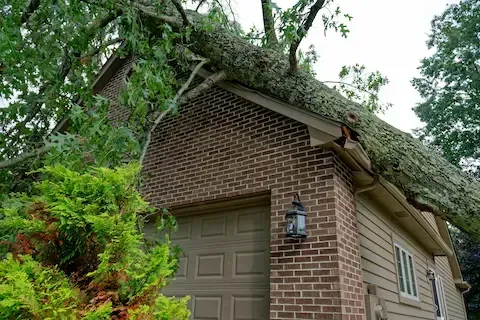
Storm Damage Tree Cleanup for Moline IL Homeowners
When severe weather strikes the Quad Cities, homeowners face the daunting task of dealing with storm-damaged trees and debris scattered across their properties. The aftermath of thunderstorms, high winds, ice storms, and tornadoes can leave your yard looking like a war zone, with fallen branches blocking driveways, damaged trees threatening your home's structure, and debris making your property unsafe and inaccessible.
Storm damage tree cleanup requires immediate attention not just for aesthetic reasons, but for safety and property protection. Damaged trees can continue to pose risks long after the storm passes, with weakened limbs ready to fall at any moment. Understanding how to assess damage, prioritize cleanup tasks, and know when to call professionals can mean the difference between swift recovery and prolonged property damage.
Immediate Safety Assessment After Storm Damage
Your first priority after any storm should be conducting a thorough safety assessment of your property. Before stepping outside to survey damage, scan your yard from inside your home to identify obvious hazards. Look for downed power lines, which should never be approached under any circumstances. Even if lines appear inactive, assume they are live and contact your utility company immediately.
Check for trees or large branches leaning against your home, garage, or other structures. These pose immediate collapse risks and require professional storm damage cleanup services. Assess whether any trees are blocking emergency exits from your home, as these need immediate attention for fire safety compliance.
Walk your property carefully, staying alert for hanging branches, also called "widow makers" by tree professionals. These partially broken limbs can fall without warning, making them extremely dangerous. Mark these areas and keep family members and pets away until professionals can safely remove the hazards.
Document all damage with photographs before beginning any cleanup work. This documentation proves invaluable for insurance claims and helps professional crews understand the scope of work needed. Take wide-angle shots showing overall property damage, then close-up photos of specific tree damage, property damage, and debris accumulation.
Types of Storm Damage Requiring Professional Attention
Certain types of tree damage always require professional intervention, regardless of your experience level or available tools. Trees that have fallen onto structures present complex removal challenges that require specialized equipment and expertise. Attempting to remove these yourself can cause additional structural damage or create dangerous situations.
Large trees with significant root exposure need professional assessment even if they remain upright. Storm winds can loosen root systems, creating unstable trees that appear normal but could topple unexpectedly. Professional arborists can evaluate root damage and determine whether trees can be saved or need removal.
Any tree damage near power lines requires utility company clearance before work begins. Even if power lines appear undamaged, tree removal work can bring equipment and debris into dangerous proximity to electrical systems. Coordinate with your utility company and tree service to ensure safe, compliant work procedures.
Multiple damaged trees across your property benefit from professional prioritization and systematic removal. Tree service professionals can assess which trees pose the greatest immediate risks, which can be saved through proper pruning, and the most efficient sequence for clearing debris without causing additional damage.
DIY Cleanup Tasks You Can Handle Safely
Homeowners can safely handle many storm cleanup tasks with proper preparation and realistic assessment of their capabilities. Small branches and twigs scattered across lawns, driveways, and garden beds represent the bulk of most storm debris and can be cleared with basic hand tools and patience.
Start with the smallest debris first, working systematically across your property. This approach provides immediate visible progress while allowing you to better assess larger damage as you clear away smaller obstacles. Use proper lifting techniques when moving branches, bending at your knees rather than your back, and get help moving anything heavy.
Branches up to about three inches in diameter can typically be cut with hand pruners or small saws, provided they are not under tension or supporting other debris. Always cut branches in sections rather than trying to remove long pieces, which can bind your saw or create unpredictable falling patterns.
Focus on clearing access routes first - pathways to your front door, driveway access, and routes to utility meters or generators. This prioritization ensures emergency services can reach your home and that you maintain access to essential utilities and services during recovery.
Essential Tools for Safe Cleanup
Proper tools make storm cleanup safer and more efficient. Heavy-duty work gloves protect your hands from cuts, splinters, and rough bark. Safety glasses prevent eye injuries from flying debris or sawdust. Sturdy work boots with good traction help prevent slips on wet or debris-covered surfaces.
Hand pruners work well for branches up to one inch diameter, while loppers extend your reach and cutting capacity to branches up to two inches. A quality bow saw or small chainsaw handles larger branches, but only attempt cuts you can complete safely without overreaching or working above shoulder height.
Rakes, leaf blowers, and tarps help efficiently gather and move smaller debris. A wheelbarrow or garden cart reduces the number of trips needed to move debris to your collection area. Consider renting a wood chipper for properties with substantial branch debris, but only if you have experience operating such equipment safely.
Understanding Moline's Storm Debris Collection Policies
The City of Moline provides storm debris collection services following significant weather events, but understanding their policies helps you prepare debris correctly for pickup. Storm debris must be separated from regular household waste and placed at designated collection points according to city guidelines.
Branches and limbs should be cut into lengths no longer than eight feet and stacked with cut ends facing the same direction. Keep piles away from mailboxes, fire hydrants, parked cars, and overhead wires to ensure collection trucks can access debris safely. Mixing storm debris with regular trash can result in collection delays.
The city typically announces storm debris collection schedules through local media and their website following major weather events. Collection may take several weeks depending on the storm's severity and the amount of debris generated citywide. Patience during this process helps crews work safely and efficiently through neighborhoods.
Private debris removal services offer faster alternatives for homeowners who need immediate cleanup or have debris that doesn't qualify for city collection. These services typically charge by volume or truckload and can coordinate with tree health assessment services to evaluate remaining trees for future problems.
Preventing Future Storm Damage Through Tree Management
Proactive tree management significantly reduces storm damage risks and makes post-storm cleanup easier. Regular tree maintenance, including proper pruning, dead branch removal, and health assessments, helps trees withstand severe weather better than neglected specimens.
Proper pruning techniques improve tree structure and reduce wind resistance. Removing crossing branches, weak crotches, and excessive canopy density allows wind to flow through trees rather than against them, reducing the likelihood of wind-throw or major branch failure during storms.
Young tree training proves especially valuable for storm resistance. Establishing strong central leaders, removing competing trunks, and correcting structural problems early creates trees better equipped to handle severe weather throughout their lifespans. The investment in professional tree training pays dividends during every future storm season.
Consider tree species selection when replacing storm-damaged specimens. Native trees adapted to Quad Cities weather patterns typically show better storm resistance than non-native species. Consult with local arborists about species that thrive in Moline's soil and climate conditions while providing desired aesthetic and functional benefits. If a tree is already down on a structure, here's what to do when a tree comes down in a storm before the crew arrives.
Insurance Considerations for Storm Damage Cleanup
Understanding your homeowner's insurance coverage for storm damage and cleanup costs helps you make informed decisions during the recovery process. Most policies cover tree removal when trees fall on insured structures, but coverage for trees that fall in yards without hitting structures varies significantly between policies.
Document all damage thoroughly before beginning cleanup work. Insurance adjusters need clear evidence of storm damage to process claims efficiently. Take photos from multiple angles, include reference objects for scale, and maintain detailed records of cleanup expenses and contractor communications.
Many policies include coverage for debris removal following covered losses, but coverage limits vary. Some policies provide additional coverage for the reasonable cost of removing fallen trees from insured structures, while others may have sub-limits that don't cover extensive cleanup costs.
Contact your insurance company as soon as safely possible following storm damage. Many insurers have special claims processes for widespread storm events and can provide guidance about covered expenses, recommended contractors, and claim filing procedures specific to your situation.
Working with Professional Tree Services
Choosing qualified tree service professionals ensures safe, efficient cleanup while protecting your property from additional damage. Look for companies with proper licensing, insurance coverage, and International Society of Arboriculture certification. Avoid door-to-door solicitors who often appear after storms offering quick, cheap solutions.
Request detailed written estimates that specify exactly what work will be performed, how debris will be disposed of, and what cleanup responsibilities remain with the homeowner. Quality professionals provide clear contracts that protect both parties and establish realistic timelines for completing work.
Emergency tree services often cost more than routine work, but dangerous situations require immediate professional attention regardless of cost. Focus on addressing immediate safety hazards first, then schedule less urgent cleanup work during normal business hours when possible.
Verify that contractors will handle all necessary permits and utility coordination. Professional tree services understand local regulations and maintain relationships with utility companies that enable efficient, compliant project completion.
If a tree's already down, here's what to do when a storm fells a tree on your property.
Long-term Property Recovery and Restoration
Storm recovery extends beyond immediate cleanup to include landscape restoration and future storm preparedness. Assess your property's overall tree canopy and consider whether damaged areas need new plantings or different landscape approaches that better serve your current needs.
Soil compaction from heavy equipment during cleanup may require remediation before new plantings can establish successfully. Professional landscape restoration services can evaluate soil conditions and recommend amendments or treatments needed to support healthy plant growth.
Use the recovery process as an opportunity to improve your property's storm resilience. Consider installing lightning protection systems for valuable trees, improving drainage in problem areas, and selecting replacement plants that provide desired benefits while offering superior storm resistance.
Regular maintenance schedules become even more important following major storm damage. Trees stressed by partial damage or changed growing conditions need monitoring and care to prevent secondary problems that could create future hazards or require additional costly interventions.
