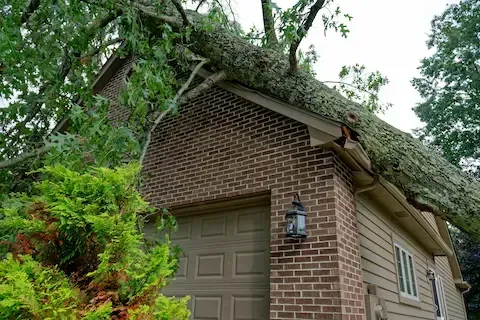
Spot Storm Damaged Tree Signs Around Moline IL Homes
After a storm hits Moline, IL, some tree damage is obvious — snapped trunks, fallen limbs, uprooted root balls. But the most dangerous damage is often hidden. Cracked bark, split crotches, internal decay, and subtle trunk lean can leave a tree standing while it becomes a serious hazard to your home, vehicle, or family. Knowing what to look for after a storm passes can help you act before a compromised tree causes far worse damage. This guide covers the key storm damaged tree signs Moline IL homeowners should inspect for after any significant weather event.
What Are the Most Visible Signs of Storm Damage on a Tree?
Start your inspection at the crown. Look for large broken branches still hanging in the canopy — these are called "widow makers" and can fall without warning. Stripped bark along the trunk, especially in long vertical strips, indicates a lightning strike. Cracks running down the main trunk or through major branch unions are red flags that the tree's structural integrity is compromised. Exposed wood where bark has been torn away will decay quickly if not addressed. Any branch with a sharp downward hang or an unnatural angle should be treated as a falling hazard until a certified arborist evaluates it.
How Do You Identify a Split Crotch After a Storm?
A split crotch occurs where two major limbs or the trunk forks, and the union fails under wind or ice load. After a storm, look closely at every V-shaped junction in the tree. Signs of a failing crotch include visible gaps or cracks at the union, bark inclusion (where bark grows inward between two stems, weakening the joint), and sap or discoloration seeping from the junction. Split crotches are especially common in fast-growing trees like silver maples and cottonwoods — trees frequently found in Moline-area yards. A split crotch doesn't always mean immediate collapse, but it does mean the tree needs professional evaluation quickly. For hands-on help, storm damage cleanup from a qualified crew is the safest next step.
What Does Hidden Internal Decay Look Like From the Outside?
Internal decay is the most deceptive storm damage sign because the tree may appear healthy while its core is hollow or rotting. Exterior indicators include fungal conks or mushrooms growing at the base of the trunk or on the root flare — these signal advanced internal rot. Soft, spongy wood when you press near a wound or old scar is another warning. Woodpecker activity concentrated on one section of trunk often means insects have colonized decayed wood inside. After a storm, existing decay cavities may widen or new cracks may expose rot that was previously sealed beneath bark. Don't mistake a green canopy for a structurally sound tree.
How Can You Spot Root Damage and Soil Heaving?
Root damage is frequently overlooked because it happens underground, but storms create visible surface clues. Walk around the base of the tree and look for raised or cracked soil on one side of the trunk — this is called root heave, and it means the root plate is beginning to lift. You may also notice the tree has developed a new lean it didn't have before the storm. Exposed roots on the surface that appear torn or snapped are another indicator. Moline's clay-heavy soils can make trees more susceptible to root failure because saturated clay reduces soil grip during high winds. A leaning tree with disturbed soil at its base is an emergency situation.
When Is a Damaged Tree an Immediate Safety Hazard?
Some storm-damaged trees need to come down within hours, not days. Treat any of the following as an immediate hazard requiring urgent action:
- The tree is leaning toward your house, garage, or power lines
- Large hanging limbs are suspended directly over areas where people walk or park
- The root plate is visibly lifting from the soil
- A major crack runs through the trunk at or below the soil line
- The tree has made contact with utility lines
Never attempt to remove hanging limbs or a leaning tree yourself. In Moline and across the Quad Cities, downed lines and unstable trees after storms have caused serious injuries to homeowners attempting DIY cleanup. Contact a licensed tree service and, if power lines are involved, call your utility company first.
How Do You Document Storm Tree Damage for Insurance Claims?
Before any cleanup begins, photograph every angle of the damage — the full tree, close-ups of cracks and splits, the root zone, and any contact with structures. Document the date and note the storm event name or date if it was a named weather system. Moline homeowners filing claims with their insurance carrier will need a written assessment from a certified arborist in many cases. Keep any receipts from emergency tree work, as emergency removal of a tree that poses an imminent danger to a structure is often covered under standard homeowner policies. Read your policy carefully and contact your agent within 24 to 48 hours of the storm.
What Should You Do After Spotting Storm Damage Signs?
Once you've identified warning signs, stop using the area beneath or near the damaged tree until it's been professionally evaluated. Keep children and pets away from the zone. If the tree is near your home's roofline or a fence, mark the area clearly. Reach out to a certified arborist in Moline who can assess whether the tree needs cabling, selective limb removal, or full removal. You can also review the Storm Damage Tree Cleanup guide for a full overview of what the cleanup process involves and what to expect from a professional crew on-site. Acting quickly after a storm protects your property and keeps your neighbors safe too.
