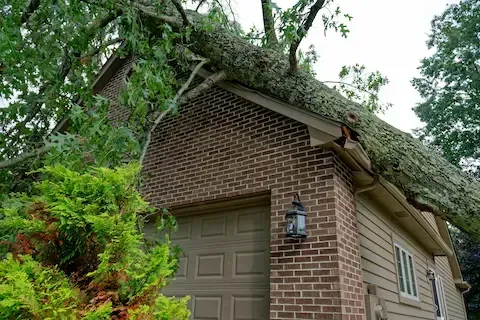
Derecho Tree Damage Recovery Across Quad Cities IL
Derechos represent some of the most devastating wind events that can impact the Quad Cities area, with sustained winds often exceeding 100 mph and causing widespread tree damage across Moline, Rock Island, Davenport, and Bettendorf. These powerful straight-line windstorms can topple mature trees, snap branches, and leave property owners wondering which trees can be saved and which pose immediate safety risks requiring removal.
Understanding Derecho Impact on Quad Cities Trees
The unique geography of the Quad Cities region, situated along the Mississippi River, can intensify derecho effects as these storms track across the open prairie landscape. Trees that have thrived for decades in our Illinois climate suddenly face winds that exceed their structural limits, resulting in various types of damage patterns that require different recovery approaches.
Crown damage represents the most common derecho impact, where portions of the tree's canopy are sheared off by extreme winds. Trees with proper root systems and healthy trunks can often recover from significant crown loss, though the process requires careful evaluation and strategic pruning. Trunk damage, including splits and cracks, presents more serious concerns that may compromise the tree's long-term viability.
Root damage occurs when trees are partially uprooted or lean significantly after the storm. The extent of root system disruption determines whether stabilization efforts can succeed or if removal becomes necessary for safety reasons. Professional storm damage cleanup services can assess these complex damage patterns and recommend appropriate recovery strategies.
Assessing Tree Salvage Potential After Major Wind Events
Several factors determine whether a derecho-damaged tree can be successfully saved. The species plays a crucial role, as some trees like oaks and maples demonstrate remarkable resilience to crown damage, while others such as Bradford pears and silver maples may suffer irreversible structural compromise even from moderate impact.
Tree age and overall health prior to the derecho significantly influence recovery prospects. Younger, vigorous trees typically respond better to pruning and can rebuild their canopy structure more effectively than older specimens that were already experiencing decline. Trees showing signs of disease or pest damage before the storm often lack the energy reserves needed for successful recovery.
The percentage of crown loss provides important guidance for salvage decisions. Trees losing less than 25% of their canopy usually recover well with proper care, while those losing 50% or more face significant survival challenges. Trees with 75% or greater crown loss rarely justify the investment required for attempted recovery, especially when safety concerns are factored into the decision.
Location considerations also impact salvage decisions. Trees near homes, power lines, or high-traffic areas require more conservative evaluation standards due to potential liability issues if recovery efforts fail and the tree later fails catastrophically.
Safety Priorities in Post-Derecho Tree Management
Immediate safety assessment takes precedence over all salvage considerations following a derecho event. Trees leaning toward structures, hanging branches over walkways, or showing signs of root failure require prompt professional evaluation regardless of their potential for recovery.
Electrical hazards present particular dangers when derecho-damaged trees contact power lines. Property owners should never attempt to remove tree debris from power lines themselves, as energized lines can remain dangerous even when power appears to be out in the area. Utility companies and qualified arborists coordinate these removals safely.
Structural damage assessment involves examining the tree's main trunk and major scaffold branches for cracks, splits, or other compromise. Trees with trunk damage extending more than one-third of the way around the circumference typically cannot be safely retained, even if the crown damage appears manageable.
Emergency stabilization measures may be necessary for trees being considered for salvage. Cable and brace systems can provide temporary support while the tree begins recovery, but these interventions require professional installation and ongoing monitoring to ensure effectiveness.
Common Recovery Mistakes Following Derecho Events
Many property owners make critical errors in the aftermath of derecho damage that can compromise tree recovery or create additional safety hazards. Topping or making flush cuts represents one of the most damaging mistakes, as these practices remove the tree's natural ability to compartmentalize damage and defend against disease and pest invasion.
Attempting to save trees that have sustained too much damage often proves counterproductive and dangerous. Property owners sometimes focus on the tree's sentimental value or replacement cost while overlooking safety risks and the low probability of successful recovery. Professional evaluation helps distinguish between trees worth saving and those requiring removal.
Improper pruning techniques during recovery efforts can cause more harm than the original derecho damage. Cutting techniques that ignore proper branch collar location, making cuts during inappropriate seasons, or removing too much healthy wood in addition to damaged areas can stress trees beyond their recovery capacity.
Neglecting soil and root zone care represents another common oversight. Compaction from heavy equipment used in cleanup operations, changes in drainage patterns, and root damage from debris removal can impact tree recovery even when crown damage appears manageable.
Quad Cities Specific Recovery Considerations
The clay-rich soils common throughout much of the Moline area can complicate tree recovery efforts, as poor drainage following root disturbance can lead to secondary problems like root rot. Trees in these soil conditions require more conservative damage thresholds and may need drainage improvements to support recovery efforts.
Local climate patterns in the Quad Cities region, including our variable spring weather and potential for late season storms, influence timing decisions for recovery pruning and tree care activities. Work performed too early in the season may expose trees to additional weather damage, while delays can allow disease organisms to establish in damaged wood.
Municipal regulations in Moline and surrounding communities may impact tree recovery decisions, particularly for trees in parkway areas or those subject to local ordinances. Some jurisdictions require permits for significant pruning work or have specific requirements for trees that pose potential public safety concerns.
Insurance considerations specific to Illinois property coverage can influence the economics of tree recovery versus removal decisions. Understanding policy coverage for tree damage and liability implications helps property owners make informed choices about recovery investments.
Professional Recovery Services and Long-term Planning
Certified arborists bring essential expertise to derecho recovery efforts, combining knowledge of tree biology with practical experience in damage assessment and recovery techniques. Their ability to identify subtle signs of structural compromise or recovery potential often proves crucial in making appropriate decisions about damaged trees.
Recovery timelines extend far beyond immediate cleanup activities, with successful tree rehabilitation often requiring several years of specialized care including proper pruning, fertilization, pest management, and monitoring for delayed stress responses. Professional tree care services provide the continuity needed for successful long-term recovery.
Replacement planning should begin during the recovery assessment process, as some locations may benefit from species diversification or improved tree placement to reduce future storm vulnerability. Storm Damage Tree Cleanup professionals can recommend appropriate replacement species that better withstand severe weather events.
Building Resilience for Future Weather Events
Experience from derecho recovery efforts provides valuable insights for improving landscape resilience against future severe weather events. Diversifying tree species, improving tree placement relative to structures, and maintaining proper tree health through regular care all contribute to reduced vulnerability during subsequent storms.
The recovery process offers an opportunity to reassess overall landscape design and identify changes that can reduce future storm damage risks while maintaining the aesthetic and environmental benefits that trees provide to Quad Cities properties. Working with qualified professionals during recovery helps ensure that these lessons translate into improved long-term outcomes.
