Winter Storm Preparation for Moline Trees: Ice & Wind Damage Prevention
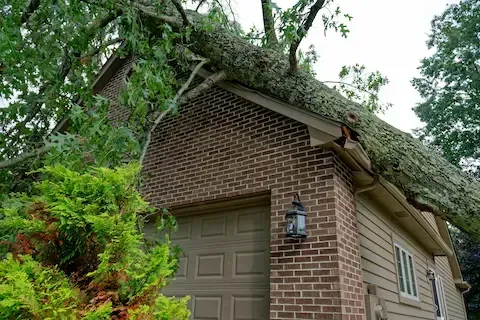
Winter storms in Moline, Illinois deliver a destructive combination of ice accumulation, high winds, and temperature extremes that test even the healthiest trees. The Rock River Valley's position creates weather patterns where freezing rain transitions to heavy snow while sustained winds exceed 40 mph—conditions that cause widespread canopy damage and structural failures across the region's mature urban forest. Preparing your trees before winter weather arrives dramatically reduces the likelihood of property damage and costly emergency interventions during the season's most severe events.
The difference between trees that weather winter storms successfully and those requiring emergency removal often comes down to proactive management during fall months. Structural weaknesses invisible during summer become critical failure points when ice loads multiply branch weight or wind speeds reach damaging thresholds. Understanding how winter weather impacts tree biology and implementing targeted preparation strategies protects both your landscape investment and your property from storm-related damage.
How Winter Weather Damages Moline Trees
Ice accumulation represents the most destructive winter threat to trees in Moline's climate zone. When supercooled rain freezes on contact with tree surfaces, ice builds radially around branches and twigs, adding exponential weight to the canopy. Just one-quarter inch of ice coating can add 500 pounds to a medium-sized tree, while half-inch accumulations—not uncommon during Moline's severe ice storms—can burden trees with literal tons of additional weight exceeding structural capacity.
The weight distribution matters as much as total accumulation. Ice forms uniformly across the entire canopy rather than concentrating on main scaffold limbs, meaning even small-diameter terminal branches experience dramatic loading. This distributed weight creates leverage forces throughout the tree structure, with outer canopy weight pulling against branch unions and generating splitting failures at weak attachment points. Trees with narrow branch angles or included bark at unions fail catastrophically during ice events as these structural flaws simply cannot accommodate the amplified stress loads.
Wind damage during winter operates differently than summer storm impacts due to deciduous trees' lack of foliage. While leaf-off conditions reduce overall wind resistance, the combination of brittle cold wood and pre-existing ice loads makes branches more vulnerable to wind-induced failure. Sustained winds above 35 mph can shatter ice-laden limbs, sending debris falling across wide areas. The dynamic loading from wind gusts combined with static ice weight creates fatigue stress that progressively weakens branch wood until sudden failure occurs.
Temperature fluctuations cause additional damage through frost cracking and sunscald on tree trunks. Rapid temperature swings—common in Moline's winter climate where daytime temperatures may reach 40°F before plummeting to single digits overnight—create differential expansion rates between outer bark and inner wood. These stresses generate vertical cracks, particularly on south and southwest-facing trunk surfaces. Young trees and thin-barked species like maples and lindens are especially susceptible, with damage potentially compromising structural integrity for years following severe winter weather.
Fall Tree Assessment and Hazard Identification
Comprehensive tree assessment during October and early November identifies vulnerabilities before winter weather arrives. Leaf-off conditions provide optimal visibility for structural evaluation, revealing branch architecture, union quality, and decay indicators hidden during the growing season. Professional arborists use this window to identify hazardous conditions requiring corrective action before ice and wind events exploit these weaknesses.
Dead and dying branches represent the most obvious hazards requiring removal before winter. These limbs lack the structural integrity and flexibility of living wood, making them prone to failure under minimal ice loading or wind stress. Look for branches lacking fine twig development, showing loose or missing bark, or displaying fungal fruiting bodies indicating internal decay. In mature oaks and maples common throughout Moline, even large-diameter dead limbs may appear structurally sound but will fail predictably during the first significant ice storm.
Weak branch unions constitute less visible but equally dangerous structural flaws. Branches growing at narrow angles to the trunk—less than 45 degrees—develop included bark at the attachment point rather than strong overlapping wood growth. These unions have reduced strength and fail under loading conditions that wouldn't affect properly formed attachments. Co-dominant stems, where two main trunks of similar diameter compete for apical dominance, create similar weak points throughout the tree structure. Identifying and addressing these architectural problems prevents catastrophic splitting failures during winter storms.
Root system evaluation completes the pre-winter assessment process. Surface roots showing decay, recent grade changes affecting root zones, or soil compaction from construction activities all compromise the tree's anchoring capacity. During winter storms, the combination of saturated or frozen ground with high wind loads can uproot entire trees when root systems lack adequate structural support. Look for fungal growth at the tree base, recent lean development, or soil heaving around the root collar as indicators of compromised root stability requiring professional evaluation.
Strategic Pruning for Winter Storm Resistance
Proper pruning during dormancy strengthens tree structure against winter weather while minimizing stress to the tree. Late fall through early winter—after leaf drop but before deep cold sets in—provides the ideal window for structural pruning in Moline. Trees have entered dormancy, reducing physiological stress from pruning wounds, while arborists can clearly see branch architecture without foliage obstruction.
Crown cleaning removes dead, diseased, and damaged branches that will fail during winter storms. This fundamental pruning operation eliminates the most obvious hazards while improving overall tree health and light penetration. Focus particularly on removing branches showing decay at attachment points, those damaged during previous storms, and limbs with significant deadwood in their structure. Even small dead branches contribute to winter damage—ice-weighted deadwood breaks loose and falls, potentially causing injury or property damage below.
Structural pruning addresses architectural weaknesses by removing poorly attached limbs and reducing end weight on overextended branches. Subordination cuts reduce competing co-dominant stems to a single dominant leader, eliminating weak unions prone to splitting under ice loads. Thinning cuts remove crossing or rubbing branches while reducing overall canopy density to decrease wind resistance and ice accumulation surface area. These pruning techniques require expertise—improper cuts actually weaken trees and create more hazardous conditions than leaving the tree unpruned.
Crown reduction provides targeted risk mitigation for trees overhanging structures or showing signs of structural compromise. Reducing canopy size by 15-20 percent through proper pruning techniques decreases both ice load potential and wind resistance while maintaining the tree's natural form and health. This approach works particularly well for aging trees near homes where complete removal isn't desired but risk reduction is necessary. The reduction must be performed correctly using appropriate pruning cuts—topping or stubbing back branches creates weak epicormic growth that fails readily during subsequent winter storms.
Cabling and Bracing Systems
Structural support systems provide engineered reinforcement for trees with inherent weaknesses that cannot be fully addressed through pruning alone. These systems redistribute stress loads, support weak unions, and prevent catastrophic failure of valuable trees during winter storm events. Professional installation by certified arborists ensures proper placement, appropriate materials, and adequate support without causing additional tree damage.
Static cable systems installed in the upper canopy support weak branch unions and limit movement of co-dominant stems. High-strength steel cables placed roughly two-thirds up the tree's height restrict lateral movement while allowing natural flex that maintains cambial growth and structural development. These systems prove particularly valuable for mature trees with historical value or significant landscape importance where structural flaws make complete removal undesirable. Properly installed cables can support trees for decades with periodic inspection and occasional adjustment as the tree grows.
Dynamic support systems using synthetic rope or cable provide more flexible support that allows greater natural movement while still limiting failure potential. These systems work well for younger trees developing structural issues or situations where allowing some natural sway reduces overall stress on the tree. The increased movement compared to static systems helps maintain natural taper development and strengthens wood in response to loading forces, creating more resilient structure over time.
Bracing rods provide rigid support for splits or cracks that have already developed in trunks or major scaffold limbs. These threaded steel rods installed through the damaged area prevent progressive splitting while the tree compartmentalizes the wound internally. Bracing proves most effective when combined with cabling systems—the bracing prevents splitting from worsening while cables redistribute loading to prevent the conditions that caused the original failure. For quality storm damage cleanup and prevention services, working with certified professionals ensures appropriate system selection and installation.
Species-Specific Winter Vulnerabilities in Moline
Different tree species exhibit varying susceptibility to winter storm damage based on wood strength, growth habits, and branching architecture. Understanding these species-specific vulnerabilities helps prioritize preparation efforts and set realistic expectations for winter storm resilience in your landscape.
Silver maples, abundant in Moline's established neighborhoods, rank among the most vulnerable to winter damage. Their brittle wood, rapid growth rate, and tendency to develop weak unions create perfect conditions for catastrophic failure during ice storms. Large-diameter scaffold limbs commonly split from trunks during even moderate ice accumulation. Properties with mature silver maples require aggressive preventive pruning and often benefit from professional structural support systems to reduce failure risk during severe winter weather.
Bradford pears and other ornamental pear cultivars demonstrate extreme ice storm vulnerability due to their narrow branch angles and dense canopy structure. These trees accumulate ice throughout their tightly packed branch network, quickly exceeding structural capacity. Complete limb failure or trunk splitting occurs predictably during significant ice events. If you have Bradford pears on your property, consider whether their ornamental value justifies the high maintenance requirements and damage risk—many arborists recommend replacement with more structurally sound species.
Oaks generally show good winter storm resistance when properly maintained, though their large scaffold limbs can cause significant property damage if failure occurs. Dead branch retention is common in oaks, making crown cleaning particularly important for winter preparation. The species' strong wood and wide branch angles provide inherent structural advantages, but this resilience shouldn't encourage complacency—even healthy oaks require assessment and maintenance to perform well through severe ice storms.
Honeylocusts exhibit excellent winter storm resistance through their fine branching structure and flexible wood. Ice distributes across numerous small-diameter branches rather than concentrating on major limbs, and the wood's flexibility allows considerable bending without breaking. These characteristics make honeylocusts low-maintenance choices for winter storm-prone areas, though they still benefit from dead branch removal and structural evaluation as part of routine care.
Protective Measures for Young and Vulnerable Trees
Young trees and recent transplants require additional protection during their first several winters in the landscape. Their developing root systems provide limited anchoring capacity, while trunk and branch tissues haven't developed the structural strength of mature wood. Implementing targeted protection strategies helps these valuable landscape investments survive winter weather until they develop sufficient resilience.
Tree wrapping protects young trunk bark from sunscald and frost cracking during winter temperature fluctuations. White or light-colored tree wrap reflects sunlight, preventing the daytime heating and nighttime freezing cycles that cause bark damage on south and southwest-facing trunk surfaces. Apply wrap in late fall before severe cold arrives, spiraling from ground level to the first main branches. Remove wrapping in early spring to prevent moisture retention and insect harboraging during the growing season.
Staking systems provide wind protection and root zone stability for newly planted trees, though proper installation technique matters tremendously. Use flexible ties that allow some trunk movement—complete rigidity prevents the natural stress responses that strengthen trunk wood. Position stakes outside the root ball area to avoid root damage, and remove staking systems within one to two years to prevent girdling and allow natural strength development.
Anti-desiccant sprays applied to evergreen foliage reduce winter moisture loss during periods of frozen ground when roots cannot replace lost water. These waxy coatings prove particularly valuable for broadleaf evergreens and newly planted conifers facing their first winter in exposed locations. Application timing matters—spray during late fall when temperatures remain above freezing but after plants have hardened off for winter. Multiple applications throughout winter may be necessary in Moline's variable climate.
Post-Storm Assessment and Damage Response
Following significant winter weather events, systematic damage assessment identifies both immediate hazards and longer-term structural concerns requiring attention. Walk your property once conditions allow safe inspection, looking first for emergency situations like broken limbs hanging precariously in canopies, trees leaning toward structures, or major trunk or scaffold limb failures. Address these hazards immediately through professional emergency services before they cause additional damage or injury.
Document all storm damage thoroughly with photographs from multiple angles. Capture overall tree condition, specific failure points, property damage, and the relationship between failed trees or limbs and nearby structures. This documentation supports insurance claims while providing arborists with information needed to develop comprehensive repair and restoration plans. Include reference objects in photos to convey scale, and photograph root zones showing any soil heaving or root exposure from uprooting events.
Resist the urge to immediately remove storm-damaged trees that haven't failed completely. Trees can survive surprisingly severe damage when properly treated, and hasty removal decisions often sacrifice valuable landscape assets unnecessarily. Professional arborists can assess damaged trees' structural integrity, recovery potential, and long-term viability, helping you make informed decisions about retention versus emergency tree removal. Even severely damaged trees may warrant retention if they don't pose ongoing hazards and show capacity to recover useful structure over time.
Winter storm preparation for Moline trees requires understanding the specific damage mechanisms winter weather creates and implementing targeted prevention strategies during fall months. The combination of ice loading, wind stress, and temperature extremes challenges tree structure in ways that summer storms don't replicate. Property owners who invest in pre-winter assessment, appropriate pruning, and structural support systems dramatically reduce winter storm damage while protecting both their landscape investment and property from weather-related losses.
