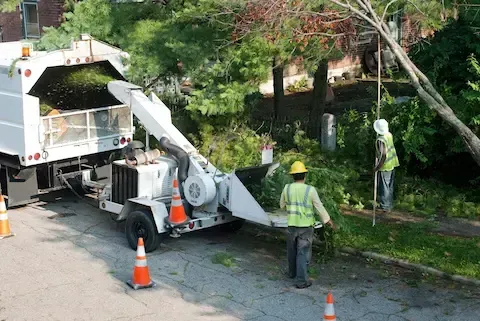
Emergency Tree Removal in Moline: 24/7 Storm Damage Response Guide
When a severe storm rolls through Moline, Illinois, the combination of high winds, heavy rain, and saturated soil creates perfect conditions for tree failure. The Rock River Valley's mature tree canopy—while beautiful—becomes a significant hazard when limbs snap or entire trees uproot during weather events. Understanding when tree damage constitutes a true emergency and how to respond safely can protect your property and family during the critical hours following a storm.
Emergency tree situations require immediate professional assessment because the risks compound quickly. A tree leaning against your home isn't just structural damage—it's an evolving threat that can worsen with each gust of wind or shift in weight distribution. The difference between a controlled emergency removal and a catastrophic failure often comes down to response time and professional expertise.
Recognizing True Tree Emergencies in Moline
Not every fallen branch requires emergency response, but certain situations demand immediate professional intervention. A tree emergency exists when there's active risk to people, structures, or utility lines. In Moline's urban forest environment, this typically means trees or large limbs in contact with homes, blocking critical access routes, or dangling precariously after partial failure.
Trees leaning more than 15 degrees toward structures represent genuine emergencies, especially following storm events. The soil saturation common in Moline's clay-heavy ground means root systems lose anchoring strength rapidly. A tree that appears stable immediately after a storm can fail completely within hours as soil continues shifting and root plates destabilize. Look for exposed roots, fresh soil mounding at the base, or cracks in the ground radiating from the trunk.
Contact with power lines creates the most dangerous emergency scenarios. Never approach a tree touching electrical wires, even if the lines appear inactive. Moline's above-ground utility infrastructure means storm-damaged trees frequently involve live electrical hazards. The tree itself becomes energized, creating a danger zone extending several feet in all directions. Report these situations to your utility provider immediately, then contact emergency tree services once power companies secure the scene.
Hanging or broken limbs lodged in a tree's canopy—widow-makers in arborist terminology—constitute emergencies even when no immediate contact exists with structures. These limbs can fall without warning, particularly as wind conditions change or additional weather moves through the area. Moline's mature oak and maple canopies often develop these hazards during severe weather, with damaged limbs sometimes remaining suspended for hours before final failure.
Immediate Safety Steps After Storm Tree Damage
Your first priority when discovering storm-damaged trees is establishing a safety perimeter. Keep all family members, pets, and neighbors away from the affected tree and any structures it contacts. The danger zone extends beyond the obvious—damaged trees can fail in unexpected directions, and secondary limb drops often occur as weight distribution shifts following initial damage.
Document the damage thoroughly with photos and video from safe distances. Capture the tree's position relative to structures, the extent of soil disturbance at the root zone, and any contact points with buildings or utilities. This documentation proves critical for insurance claims and helps emergency responders assess the situation before arrival. Include wide-angle shots showing the overall scene and close-ups of specific damage points, broken limbs, and structural impacts.
If the tree has contacted your home, evacuate affected areas immediately and shut off utilities to those sections if safely accessible. Storm-damaged trees can compromise roofing, siding, and structural elements, creating secondary hazards including water intrusion, electrical shorts, and progressive structural failure. Don't attempt to move furniture, retrieve belongings, or assess interior damage until professionals stabilize the tree.
Avoid any DIY removal attempts with emergency tree situations. The forces involved in storm-damaged trees are complex and unpredictable. Tension and compression loads in damaged wood create springback hazards that can seriously injure or kill inexperienced operators. Even small-diameter limbs under load contain enough stored energy to cause severe trauma when released improperly. For expert assistance, visit emergency tree removal to connect with certified arborists trained in high-risk tree work.
Understanding Moline's Storm Patterns and Tree Vulnerabilities
Moline's location in the Rock River Valley creates specific weather patterns that influence tree failure modes. The combination of flat terrain with channeling effects from the river valley funnels wind during severe weather events. Derecho storms—straight-line wind events common in the Midwest—can generate sustained winds exceeding 70 mph across Moline, creating widespread canopy damage and numerous uprooting events.
The region's soil composition plays a crucial role in emergency tree situations. Moline's predominant clay soils drain poorly, leading to extended periods of saturation following heavy rainfall. When severe weather arrives after significant rain accumulation, root systems lose anchoring capacity dramatically. Trees that weathered previous storms successfully can fail completely when root plates slide through saturated clay layers. This explains why some of Moline's worst tree damage occurs during summer storms following wet periods rather than during more intense but drier spring weather.
Ice storms present different emergency scenarios but occur with concerning frequency in Moline's climate zone. The accumulation of just one-quarter inch of ice can add hundreds of pounds to tree canopies, exceeding the structural capacity of branches and causing cascading failures throughout the crown. Bradford pears, silver maples, and other brittle-wooded species common in Moline's landscape suffer extensive damage during ice events, often requiring emergency intervention when failing limbs threaten structures.
Tornado activity in Rock Island County adds another dimension to tree emergency planning. While direct tornado strikes are relatively rare, the enhanced straight-line winds at tornado peripheries cause significant tree damage across wider areas. The differential wind speeds between ground level and canopy height during these events create twisting forces that snap trunks and shear off major scaffold limbs even in healthy trees.
The Professional Emergency Response Process
Professional emergency tree removal begins with comprehensive risk assessment before any cutting occurs. Certified arborists evaluate the tree's structural stability, identify tension and compression points in damaged wood, and develop a removal sequence that minimizes additional property damage and operator risk. This assessment phase, while adding time to the response, prevents the secondary damage that often results from hasty removal attempts.
Rigging systems form the core of safe emergency tree removal. Rather than simply cutting and dropping damaged sections, professionals use rope systems, pulleys, and sometimes cranes to control every piece's descent. This controlled lowering protects the structures below while managing the unpredictable forces present in storm-damaged wood. A tree leaning against a home requires particularly sophisticated rigging to relieve pressure gradually without causing additional structural impact.
Emergency crews work in carefully coordinated teams with defined roles. The lead climber or operator makes cuts according to the predetermined sequence while ground crew members manage rope systems, clear debris, and monitor for changing conditions. Communication systems—often radio-based—maintain constant contact between team members. This coordination becomes critical when working around structures or in confined spaces where visual contact between operators may be limited.
Stump grinding and site cleanup typically occur after the immediate emergency resolves. The priority during emergency response is eliminating the active threat—removing the tree from structures, clearing access routes, and stabilizing any remaining portions. Complete site restoration, including stump removal and debris hauling, usually happens during follow-up visits once the crisis phase ends and proper equipment can be positioned safely.
Insurance Considerations for Emergency Tree Removal
Homeowners insurance typically covers emergency tree removal when trees damage insured structures, but coverage specifics vary significantly between policies. Most policies provide $500 to $1,000 for tree removal as part of the dwelling coverage when the tree has actually struck and damaged the home. However, preventive removal of trees threatening structures—even obviously dangerous ones—usually falls outside standard coverage unless the tree has already made contact.
The distinction between "act of God" and negligence matters tremendously for insurance purposes. Storm damage from healthy trees generally qualifies as covered events, while failure of diseased or obviously compromised trees may be denied if insurers determine you should have addressed the hazard previously. This makes documentation critical—photos showing the tree's apparently healthy condition before the storm can support your claim if coverage questions arise.
Document all emergency response costs separately from general storm damage. Itemize emergency tree removal, temporary protective measures like tarping, and any structural stabilization performed during the initial response. These emergency costs often receive different treatment than scheduled restoration work under policy terms. Request detailed invoices from contractors that specify emergency service charges, equipment usage, and personnel hours.
Contact your insurance provider as soon as safely possible after emergency tree damage, but don't delay critical safety measures waiting for adjuster approval. Most policies require prompt mitigation of ongoing damage—waiting for insurance authorization while a tree continues damaging your home could actually jeopardize coverage for secondary damage. Photograph conditions before contractors arrive, save all receipts, and maintain clear communication records with both your insurer and service providers.
Preventing Future Tree Emergencies
Regular tree maintenance dramatically reduces emergency situations, though no prevention program eliminates storm damage entirely. Annual inspections by certified arborists identify structural weaknesses, disease issues, and decay before they progress to failure points. In Moline's climate, scheduling these inspections during late winter allows arborists to evaluate trees without foliage obstruction while identifying winter damage before spring growth begins.
Proper pruning reduces wind resistance and eliminates weak branch unions that typically fail during storms. However, timing matters—heavy pruning immediately before storm season can actually increase vulnerability by creating large wounds and removing stabilizing canopy weight. The ideal pruning cycle for storm resistance occurs during dormancy, allowing trees to compartmentalize wounds before the growing season and develop stronger branch architecture over multiple years.
Crown reduction for trees near structures provides proactive risk management. Reducing canopy size by 15-20 percent decreases wind loading while maintaining the tree's overall health and aesthetic value. This technique works particularly well for aging trees showing early decline or those positioned dangerously close to homes where complete removal isn't desired. The reduction must be performed correctly—topping or excessive cutting actually creates more hazardous conditions by forcing weak epicormic growth.
Cabling and bracing systems support structurally compromised trees that remain valuable in the landscape. These engineered support systems redistribute stress loads in trees with weak unions, co-dominant stems, or historical damage. While not appropriate for every situation, professionally installed support systems can extend the useful life of significant trees while reducing emergency failure risk. These systems require periodic inspection and adjustment as trees grow and conditions change.
Working With Emergency Tree Services in Moline
Choosing an emergency tree service before crisis strikes ensures faster response when emergencies occur. Research local companies during calm weather, verify credentials including ISA certification and proper insurance coverage, and add contact information to your emergency planning documents. Companies you've established relationships with through routine maintenance typically prioritize existing customers during widespread emergency events.
Expect pricing structures that reflect the urgency and complexity of emergency work. Emergency tree removal typically costs 50-100 percent more than scheduled work due to after-hours response, immediate mobilization requirements, and the enhanced risk of working with unstable trees. Pricing also varies based on tree size, position, access constraints, and whether crane assistance is required. In Moline, emergency removal of a large tree contacting a structure typically ranges from $2,500 to $8,000 depending on these factors.
Response times during widespread storm events may extend to 24-48 hours even with emergency services. When severe weather impacts entire communities, qualified crews become overwhelmed with urgent calls. Priority typically goes to situations involving active structural damage, utility hazards, or blocked emergency access routes. Trees down in yards or causing minor property damage, while certainly problems requiring attention, may wait while crews address life-safety situations.
Understanding what constitutes emergency response versus regular service helps set appropriate expectations and costs. True emergency situations involve immediate threats requiring rapid response regardless of time or weather conditions. If the situation can safely wait until normal business hours or until specific equipment becomes available, scheduling it as urgent rather than emergency service typically reduces costs significantly while still addressing the problem promptly. Discuss these distinctions with service providers when requesting assistance—they can help you make appropriate decisions based on actual risk levels.
Storm damage in Moline creates stress beyond the immediate tree emergency. Having a clear understanding of recognition factors, safety protocols, and professional response processes helps you navigate these situations more effectively while protecting your property and family. The combination of Moline's weather patterns and mature urban forest means tree emergencies will continue occurring, but informed homeowners working with qualified professionals can minimize both the immediate impacts and long-term consequences of storm-damaged trees. Not every hazard is an obvious emergency - here's how we assess a dangerous or unstable tree before it has to come down.
